
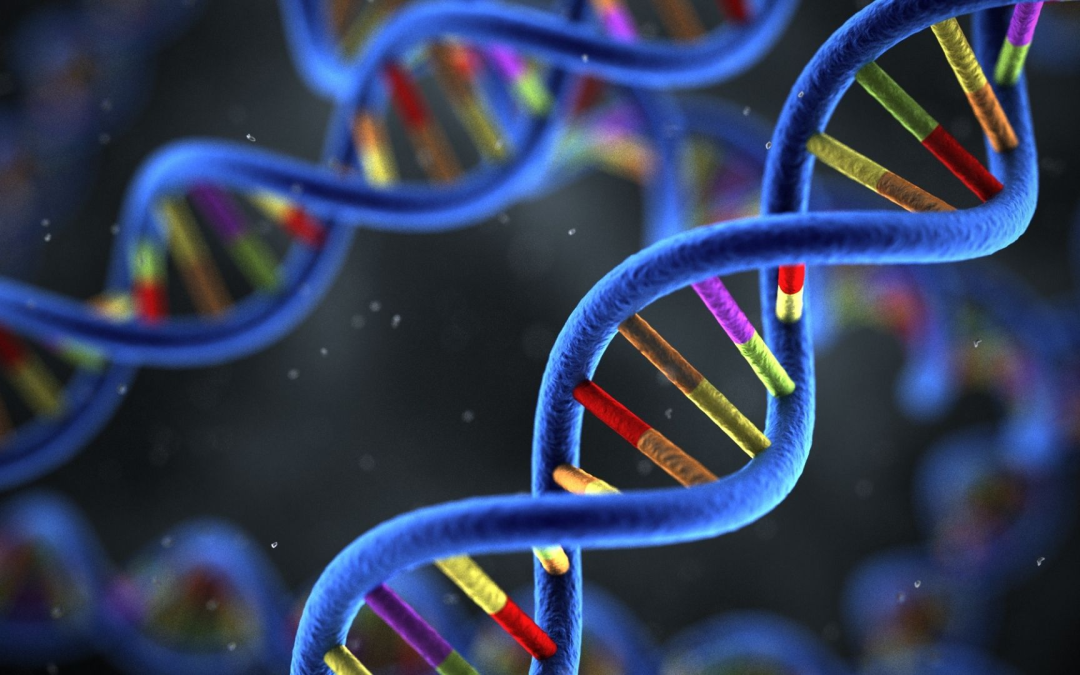
Environmental DNA: the silent revolution mapping life in every drop
A 2024 study in Science Reports found that a single liter of river water can reveal traces of up to 3,000 species—no binoculars or nets required. Welcome to the age of environmental DNA (eDNA), where genetic breadcrumbs drifting in soil, snow, and seawater are transforming biodiversity surveys. Think CSI meets Planet Earth. The result? Faster, cheaper, and shockingly comprehensive snapshots of ecosystems, from urban ponds to Arctic tundra.
From creeks to code: how eDNA surveys work
Species shed microscopic fragments of DNA through skin cells, scales, pollen, or feces. These fragments float, sink, or stick to sediment for hours or weeks. Field teams from institutions such as the Smithsonian Environmental Research Center now collect small samples—sometimes with little more than a sterile syringe and a filter the size of a coin. Back in the lab, technicians amplify target gene regions (the COI “barcode” is a favorite), sequence them on a benchtop Illumina or Oxford Nanopore device, and match the results against databases like GenBank. Voilà: a digital census.
Key steps at a glance:
- Sample collection (water, soil, air, even snow)
- Filtration and DNA extraction
- PCR amplification of barcoding genes
- High-throughput sequencing
- Bioinformatic matching to reference libraries
Bucket brigade—ready for a twist? A freshwater grab near Copenhagen recently detected elusive European eels that had evaded camera traps for months. Traditional electrofishing missed them entirely.
What is environmental DNA, and how is it collected?
Environmental DNA is genetic material organisms leave behind in their surroundings. To collect it, researchers:
- Scoop 0.5–2 L of water (or 10 g of soil).
- Filter the sample to capture microscopic particles.
- Preserve filters on ice or in ethanol to prevent degradation.
- Extract and analyze the DNA in a clean lab to avoid contamination.
This non-invasive method minimizes stress on wildlife and slashes field time by up to 60 %, according to NOAA’s 2023 coastal monitoring report.
Why is environmental DNA rewriting conservation playbooks?
First, efficiency. A 2023 United Nations briefing estimated that eDNA surveys cost 65 % less than traditional trapping in megadiverse regions such as the Amazon. Second, sensitivity. Tiny genetic traces reveal cryptic or nocturnal species—think jaguars, glass frogs, or the critically endangered vaquita. Third, scalability. Citizen scientists armed with $50 sampling kits now feed global initiatives like the Biodiversity Observations Network.
On one hand, the technology democratizes data. Students in Nairobi can sequence city river samples and contribute to global amphibian atlases. But on the other, rapid data flow can overwhelm understaffed conservation agencies and spark hasty policy moves. As ever, speed cuts both ways.
Real-world wins
• In 2024, the Great Barrier Reef Marine Park Authority used eDNA “diverless” surveys to confirm coral-spawning windows, guiding timed pollution controls.
• The Swiss Federal Institute for Forest, Snow and Landscape Research mapped wolf recolonization routes from winter snow eDNA—without disturbing dens.
• New York’s Hudson River Park Trust now tracks invasive lionfish larvae months before visual sightings, thanks to weekly eDNA sampling.
Ethical crossroads: who owns the genetic fingerprints of nature?
Here’s the kicker—eDNA doesn’t just speak for animals. It can whisper about people too. Traces of human mitochondrial DNA often tag along in urban waterways. The U.S. National Academies flagged privacy risks in a 2022 white paper: theoretically, forensic labs could mine public data sets for individual markers.
Meanwhile, Indigenous communities voice concerns that pharmaceutical giants might patent compounds linked to eDNA finds from their ancestral lands. The Nagoya Protocol covers “access and benefit-sharing,” but digital sequences slip through legal cracks. “We need guardrails before the gold rush,” warns Dr. Rosalía Torres of the National Autonomous University of Mexico.
On one hand, open databases accelerate pandemic preparedness—remember how wastewater genomics tracked SARS-CoV-2 variants in real time? On the other, unchecked uploads could spark biopiracy. Balanced governance, transparent consent frameworks, and robust metadata standards are essential.
What comes next for eDNA technology?
Forecasts by the market analyst firm Grand View Research peg the global eDNA services sector at $3.2 billion by 2028, growing 15 % annually. Several breakthroughs are poised to fuel that climb.
Nanopore sequencers in the field
Portable devices, powered by USB-C and AI base-calling, now stitch entire mitochondrial genomes on a riverbank. Expect same-day biodiversity dashboards on park ranger tablets.
Autonomous samplers
Drones and underwater gliders, piloted by the Monterey Bay Aquarium Research Institute, already collect and filter eDNA hourly. Continuous monitoring means early warnings for harmful algal blooms or sudden species die-offs.
CRISPR-enhanced detection
Using CRISPR-Cas12 biosensors, researchers at MIT recently developed a paper strip that fluoresces when it meets target fish DNA—no sequencing required. Think pregnancy test for ecosystems.
But wait—will this tech eliminate classic fieldwork? Unlikely. Visual confirmation, behavioral data, and habitat measurements remain vital. eDNA is a lens, not the whole landscape.
A personal note
I still recall the first time an eDNA report upended my assumptions. It was 2019, in a cloud-forest creek in Ecuador. I’d spent two dawns failing to spot the pied whistling duck. Back in Quito, the lab printout screamed its presence in bold. That blend of humility and wonder continues to drive my reporting. If a teaspoon of water can rewrite a story, imagine what tomorrow’s samples will reveal. Stay curious, and keep exploring the hidden genomes around you—you never know which drop will change the plot.