
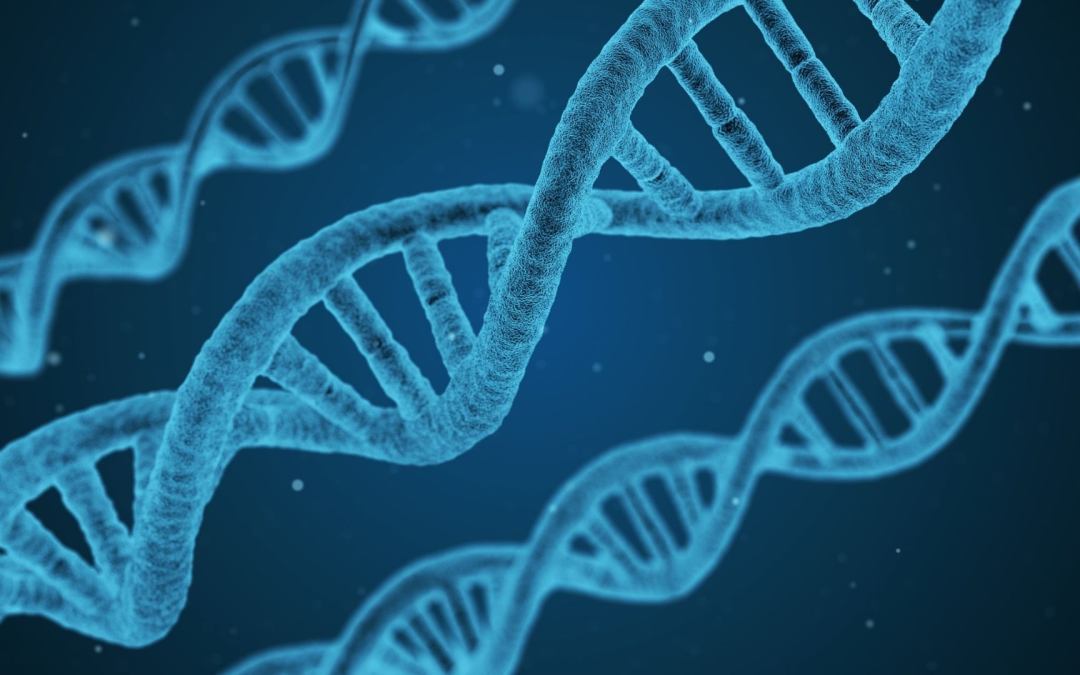
Environmental DNA isn’t science fiction—it’s the fastest-growing tool in global conservation, and 2024 numbers prove it. According to a peer-reviewed analysis published in February, eDNA surveys uncovered 25 % more vertebrate species in the Amazon than traditional camera traps in the same period. Translation? Genetics is now doing the heavy lifting for field biologists, often in days, not months.
Environmental DNA: the genomic breadcrumbs reshaping conservation
Picture this—an otter slips through a Scottish loch, shedding microscopic fragments of skin and saliva as it swims. Hours later, scientists scoop a single liter of water, run it through a handheld sequencer, and confirm the species, sex, and even parasite load of that elusive mammal. Those stray molecules are environmental DNA (eDNA): free-floating genetic traces left by organisms in soil, water, or air.
Coined in 1987 but technologically feasible only in the last decade, eDNA has exploded thanks to portable PCR, nanopore sequencing, and cloud-based bioinformatics. In 2023 alone, more than 1,600 peer-reviewed papers referenced eDNA—a 40 % jump from 2022. Institutions such as the Smithsonian and the University of Copenhagen have pivoted entire biodiversity programs around this molecular breadcrumb trail.
How does environmental DNA work?
Short answer? It’s glorified forensics. Researchers collect a sample—water from a coral reef or dust from a bat cave—filter it, extract DNA, amplify target genes (often mitochondrial COI or 12S), and run the resulting barcodes against reference libraries like GenBank or BOLD. Because each species has a unique genetic signature, matches can be precise to 99.8 %.
But wait, there’s more:
• Detection window: eDNA in freshwater degrades within 7–21 days, making surveys ultra-current.
• Sensitivity: A single tilapia can be identified in a two-hectare pond.
• Non-invasiveness: No nets, traps, or biopsies—huge win for endangered species.
The methodology isn’t flawless—false negatives can lurk if reference genomes are missing—but its speed and scale dwarf traditional techniques.
Why is eDNA a game-changer for biodiversity hotspots?
In 2022, the Galápagos National Park partnered with NASA’s Jet Propulsion Laboratory to integrate genetic biodiversity assessment data into satellite-derived habitat models. The result: a 60 % reduction in field costs and a fivefold increase in species detection across 23 islands.
On one hand, conservationists hail eDNA as a revolution for hotspot mapping, early invasive-species alerts, and even climate-induced migration tracking. On the other, skeptics worry about “data deluge”: millions of sequences with uncertain taxonomy clog servers and confuse policy makers. The debate is healthy, but the momentum is undeniable—governments from New Zealand to Canada now list eDNA monitoring in official marine-reserve guidelines.
What ethical dilemmas swirl around DNA traces in nature?
Great question. How private is wildlife DNA? Advocates argue that genetic data from animals shouldn’t trigger the same privacy concerns as human genomes. Yet indigenous groups have raised alarms: if a wolf population’s genetic health informs trophy-hunting quotas, who profits? Similarly, pharmaceutical companies scout eDNA libraries for bioactive compounds, reigniting the “biopiracy” conversation first spotlighted during rainforest prospecting in the 1990s.
Key points at a glance:
- Transparency: Publishing raw sequence data without community consent risks cultural misuse.
- Ownership: The Nagoya Protocol covers genetic resources, but airborne DNA samples collected in international waters remain a legal gray zone.
- Dual use: Pathogen signatures detected via eDNA could aid public health—or be weaponized.
Regulation is scrambling to keep up. In 2024, the European Commission proposed that any DNA-based conservation strategies involving species of “cultural significance” undergo prior ethical review.
Can citizens really collect eDNA at home?
Surprisingly, yes. Kits costing under $200 now let eco-volunteers test backyard ponds for rare amphibians. You’ll need:
- Sterile collection bottles
- A simple vacuum or syringe filter
- A prepaid mailer to a cloud lab
Results—delivered via smartphone app—often return within 48 hours. That immediacy fuels grassroots activism: when residents near Lake Tahoe documented invasive mussel DNA in April 2024, authorities dispatched containment crews in under a week, sidestepping an ecological disaster.
How will environmental DNA shape the next decade?
Industry forecasts peg the global environmental DNA monitoring market at $3.6 billion by 2030, growing 18 % annually. Three trends stand out:
• Airborne eDNA: Drones equipped with electrostatic filters already detect pollinators over sunflower fields.
• Real-time sensors: River buoys now house miniature sequencers, beaming daily fish-presence data.
• AI-driven taxonomy: Large language models cross-reference partial barcodes with ecological metadata, slashing identification times from weeks to minutes.
Add CRISPR-based diagnostics, and you have a feedback loop: detect, analyze, intervene—all before breakfast.
What is the simplest way to start an eDNA survey?
Step-by-step:
- Define the research question (species presence, biodiversity index, pathogen screening).
- Choose the matrix—water, soil, snow, even honey.
- Follow sterile technique (gloves, bleach wipes) to avoid contamination.
- Use a 0.45-micron filter; label samples with GPS coordinates.
- Ship on ice; maintain a chain of custody.
That’s it. No PhD required—just rigorous note-taking and respect for protocols.
Every time I fill a syringe filter beside a misty river, I’m reminded that life whispers secrets in strands too small for the naked eye. Listening to that whisper demands both curiosity and care. Next time you lace up your boots, imagine the invisible biographies swirling around you—and consider grabbing a sample. Trust me, the planet still has countless stories to tell, one molecule at a time.