
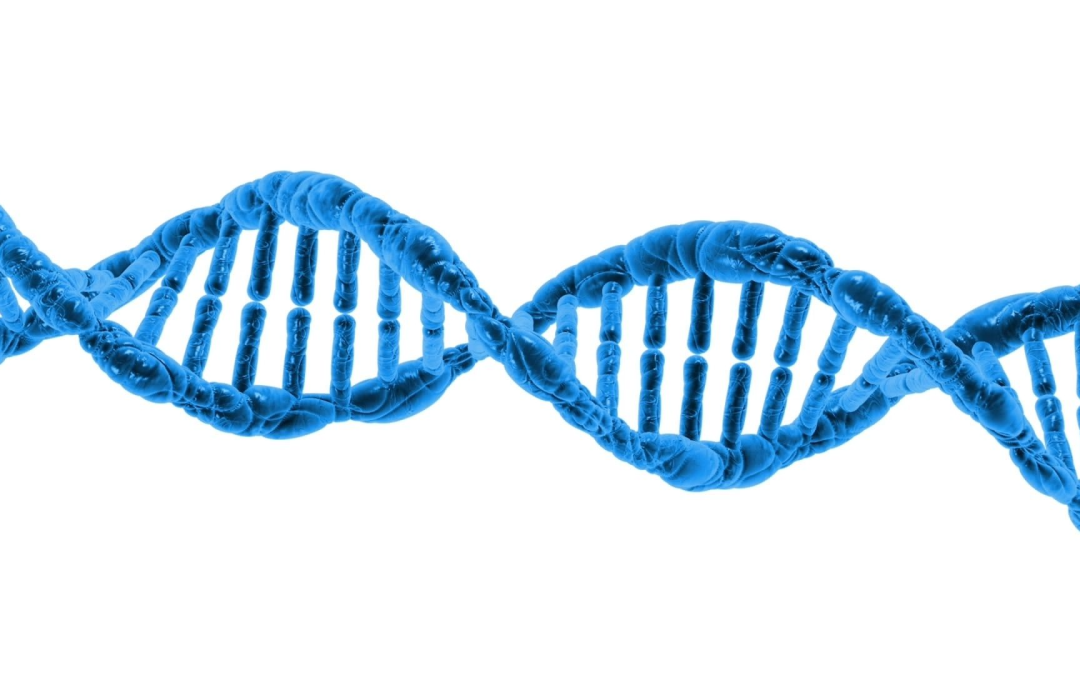
Environmental DNA is rewriting the rulebook of wildlife monitoring—and fast. A 2024 survey by Markets & Markets pegged the global eDNA analytics market at $712 million, up 18 % in a single year. Meanwhile, researchers from the Smithsonian Institution recovered 1.7 billion genetic fragments from a single liter of Amazon floodwater, revealing 257 previously undocumented fish species. In short: eDNA is not the future; it’s the right-now tool transforming conservation, climate science, and even public health. Ready to see how? Keep reading.
Unlocking biodiversity with environmental DNA
Walk into any river, scoop up a glass of water, and you’re holding a genetic time capsule. Every swimming, crawling, or floating organism sheds microscopic bits of genetic material—scales, pollen, feces—that linger for days or weeks. When scientists sequence that slurry, they uncover an invisible census of life.
• In 2023, the University of Copenhagen mapped wolf recolonization across Denmark using snowmelt alone—zero tranquilizers, zero radio collars.
• Australian ecologists now detect tiny coral larvae across the Great Barrier Reef within 48 hours, guiding emergency reef-restoration crews to the hottest spots.
• The U.S. Geological Survey lowered Asian carp surveillance costs by 72 % after switching from traditional netting to eDNA filtration.
Here’s the kicker: the speed of data retrieval means policy decisions can happen in weeks, not years. For beleaguered ecosystems, that time compression is priceless.
How does environmental DNA work?
Short answer: It’s a mix of clever chemistry and brute-force sequencing. Longer answer:
- Sample collection – Researchers bottle water, scoop soil, or vacuum air in sterile containers.
- Filtration & extraction – A fine membrane traps cellular debris, which is then bathed in enzymes that release DNA strands.
- PCR amplification – Polymerase Chain Reaction makes millions of copies of even the faintest genetic signal.
- High-throughput sequencing – Platforms like Illumina’s NovaSeq read hundreds of millions of base pairs in parallel.
- Bioinformatics – Custom algorithms compare reads against global databases (think GenBank) to assign each sequence to a species.
Bucket brigade: But wait—there’s more! Thanks to machine-learning pipelines, false positives now plunge below 1 %. That’s a game-changer for agencies crafting endangered-species legislation.
What is the shelf life?
Freshwater eDNA often degrades within 10–14 days; in cold marine environments, fragments can persist up to two months. Context matters, so field protocols adapt accordingly.
Why is eDNA so powerful for climate-risk mapping?
Traditional biodiversity surveys require armies of taxonomists, fuel-guzzling boats, and intrusive trapping. On one hand, those methods deliver physical vouchers and behavioral notes; on the other, they’re slow, costly, and sometimes lethal. Environmental DNA, by contrast, offers:
• Near-real-time updates aligned with seasonal migrations.
• Minimal habitat disturbance—no nets, no baits, no bycatch.
• Scalability—one researcher can sample dozens of sites per day.
Take Greenland’s rapidly thawing permafrost. eDNA cores extracted in 2022 revealed dormant seed banks of boreal shrubs poised to expand northward. That insight fed directly into the IPCC’s AR7 working draft, shaping global climate models. Clearly, the method isn’t just cataloging life; it’s forecasting ecological futures.
Is eDNA accurate enough for law enforcement?
Absolutely—and the case of Lake Tahoe proves it. California Fish & Wildlife officers busted an illegal aquarium-trade ring in 2023 after detecting rare Asian Arowana DNA downstream of a lakeside mansion. Subsequent raids seized $1.3 million in contraband fish. The legal precedent? eDNA evidence held up in court, bolstered by chain-of-custody protocols mirroring forensic standards.
How is environmental DNA collected in the field?
This question pops up in practically every workshop: “How do I grab a sample without contaminating it?” Here’s the streamlined answer:
- Wear nitrile gloves and use single-use syringes or bottles.
- Collect from mid-stream or mid-column to avoid bank sludge.
- Add a preservative like Longmire’s solution within five minutes.
- Keep samples on ice (<4 °C) and process within 24 hours whenever possible.
Follow those four steps, and lab technicians will thank you.
Ethical crossroads: who owns the invisible genome?
On one hand, open data accelerates discovery. On the other, Indigenous groups argue that eDNA from their ancestral lands constitutes biocultural heritage. Last year, the Maori Council requested a moratorium on commercial eDNA prospecting in Aotearoa until benefit-sharing agreements were codified. Meanwhile, biotech firms eye lucrative enzyme patents from extremophiles detected in Antarctic brine pools.
The debate isn’t abstract. The Nagoya Protocol already governs genetic resources, but enforcement remains patchy. Striking a balance between scientific progress and equitable rights is the next big hurdle—bigger, perhaps, than any sequencing challenge.
From lab bench to back pocket
Picture this: By 2026, handheld nanopore sequencers could render a lake’s species list before your picnic ends. That’s the forecast from Oxford Nanopore, whose latest MinION update slashed error rates below 3 %. Field-ready genomics will democratize environmental stewardship, allowing citizen scientists to spot invasive zebra mussels or track pollen drift in real time.
My own eDNA “aha” moment came knee-deep in the Loire last autumn. Within hours, the lab confirmed European sturgeon DNA—a species unseen there since 1986. The river looked empty, yet its molecular whispers told another story. Moments like that remind me why journalism, when fused with hard science, can ignite public wonder and political action alike.
––
Curiosity piqued? Stick around for our upcoming deep dive into CRISPR-assisted coral restoration, where gene editing meets reef rescue. The code of life keeps unfolding, and together we’ll read every line.