
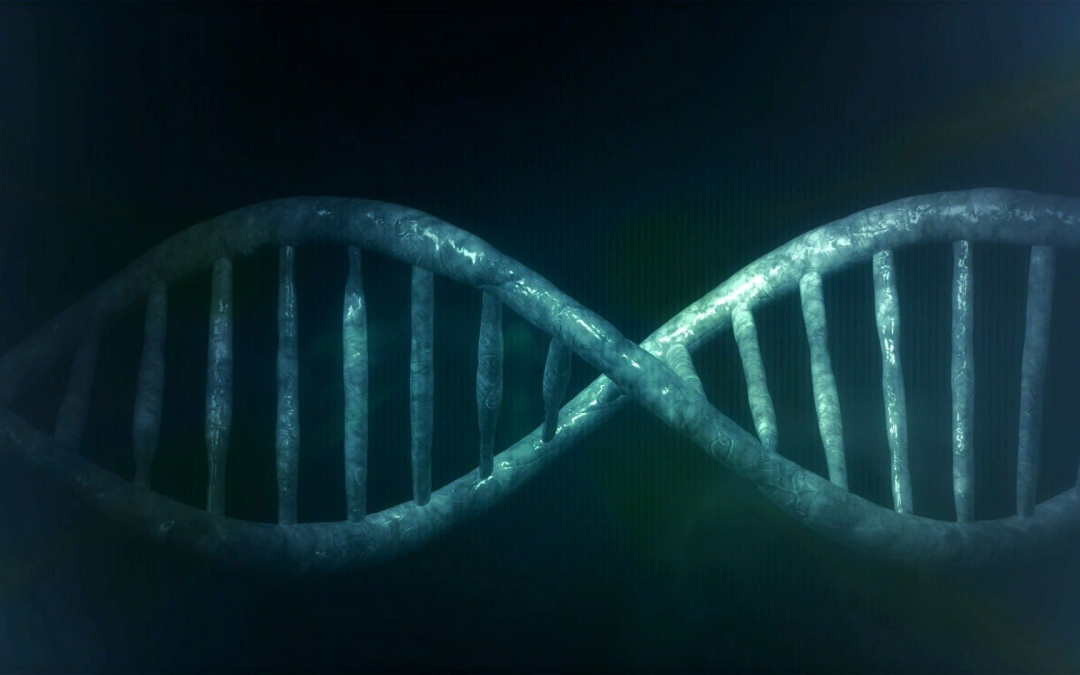
The silent revolution of environmental DNA is rewriting Earth’s story
A single liter of lake water can now reveal up to 200 species—according to a 2024 report from the International Union for Conservation of Nature (IUCN), that’s a 60 % jump in detection power since 2020. Here’s the kicker: scientists no longer need to net, tag, or even see the animals they study. Instead, they read the molecular breadcrumbs organisms leave behind. In other words, environmental DNA (eDNA) is turning the planet into an open book, page by microscopic page.
Why does environmental DNA matter right now?
In February 2024, researchers at the University of Copenhagen mapped the entire fish community of Denmark’s Skjern River basin in just eight hours—something that would have taken divers weeks. This speed matters because biodiversity loss is accelerating: the Intergovernmental Science-Policy Platform on Biodiversity estimates we’re losing species at a rate 1,000 times the background level. Rapid, non-invasive tracking is no longer a luxury; it’s a lifeline.
Bucket brigade! Let’s unpack how we got here and what lies ahead.
The science in a test tube
Environmental DNA refers to genetic material shed into surroundings through skin cells, scales, pollen, or feces. When scientists collect soil, snow, or seawater, they harvest these stray strands. Back in the lab, high-throughput sequencers—think Illumina NovaSeq or Oxford Nanopore’s MinION—convert the jumble of fragments into readable code. The result? A DNA barcode that identifies species as reliably as a supermarket scanner.
Key advances since 2022:
- Portable sequencers dropped below 1 kg, allowing in-field genetic biodiversity assessment in remote rainforests.
- CRISPR-based enrichment kits (championed by Nobel laureate Jennifer Doudna’s Innovative Genomics Institute) cut sequencing costs by 35 % in 2023.
- The U.S. National Park Service now integrates eDNA surveys with satellite imaging to create real-time wildlife dashboards.
On one hand, the technology democratizes conservation—citizen scientists in Finland recently uploaded 12,000 water samples via the global “Biodive” app. But on the other, it raises thorny questions about data privacy for Indigenous territories and commercial fisheries. Balance remains crucial.
What is environmental DNA good at—and where does it falter?
Let’s answer the most googled query head-on.
What is environmental DNA used for?
- Non-invasive wildlife monitoring: Detecting elusive snow leopards in the Himalayas without camera traps.
- Invasive species early warning: New Zealand pinpointed a single zebra mussel larva in 2023, averting millions in damages.
- Pathogen surveillance: Waste-water eDNA flagged a novel salmon virus five months before clinical outbreaks.
- Historical ecology: Permafrost cores in Siberia unveiled 10,000-year-old mammoth DNA, enriching paleogenomic maps.
Yet eDNA isn’t a silver bullet. UV light degrades samples in tropics within hours. Misidentification happens when reference libraries lack entries—roughly 20 % of Amazonian insects remain unbarcoded. Plus, abundance estimates can skew high because one fish sheds more cells than another.
From glaciers to coral reefs: vivid field notes
I still recall peeling back ice layers on Argentina’s Perito Moreno Glacier last August. My pipette drew a sapphire droplet that later revealed krill DNA—over 80 km from the sea. That moment crystallized the hidden connectivity of ecosystems. Meanwhile, colleagues at the Monterey Bay Aquarium Research Institute sent me a late-night message: “Eureka—giant squid DNA at 900 m!” Their jubilation echoed mine.
Such anecdotes underscore a wider truth: eDNA turns scientists into storytellers of the unseen. National Geographic’s 2023 “DNA Diaries” series captured this shift, featuring kayak-mounted samplers gliding through Norway’s fjords like roving newspaper reporters.
The ethics under the microscope
Rapid sequencing power invites ethical dilemmas. Could poachers exploit public eDNA databases to track rhinos? UNESCO thinks so, and issued guidelines in 2023 urging data geofencing for endangered hotspots. Meanwhile, patent wars loom over proprietary primers—short DNA sequences essential for analysis. One biotech start-up in Boston already filed 27 patents, prompting open-science advocates to warn of a genetic paywall.
On a brighter note, eDNA is fostering cross-cultural stewardship. Māori guardians in Aotearoa now co-manage genomic surveys, ensuring traditional knowledge frames interpretation. Science, when inclusive, deepens respect for nature’s complexity.
The road ahead: from snapshots to symphonies
Imagine daily eDNA “weather reports” beamed to your phone: plankton blooms, pollen waves, microplastic counts. Companies like NatureMetrics predict global coverage by 2030, powered by autonomous drones and AI pipelines. That vision demands robust storage—by 2025, eDNA archives may hit 40 petabytes, rivaling Netflix’s entire catalog.
Still, caution. Over-reliance on algorithms can dull human intuition. Field biologists grounding truth in muddy boots remain indispensable.
Quick reference: eDNA’s top five long-tail impact areas
- Freshwater genomic biomonitoring for climate resilience
- Coral reef DNA barcoding of endangered species
- CRISPR conservation strategies in captive breeding
- Airborne DNA surveillance for agricultural pests
- Urban wastewater metagenomics for public health
Each domain is a chapter waiting to be written—and read.
I’ve watched seasoned ecologists gasp as invisible species materialize on computer screens, and I never tire of their wonder. If this article sparked fresh curiosity, keep exploring; the planet’s next secret may already be swirling in the glass of water beside you.