
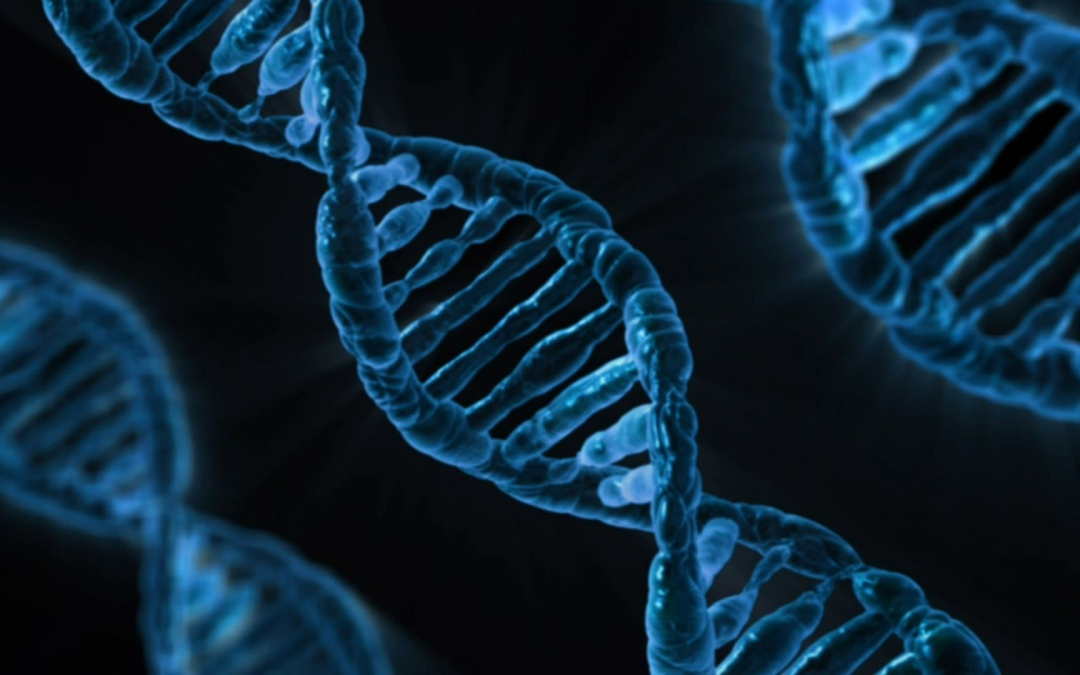
Environmental DNA is rewriting the map of life
An estimated 90% of species in tropical rivers remain undetected by traditional surveys, yet a single liter of water can now reveal their presence within 48 hours (WWF, 2023). Welcome to the age of environmental DNA—eDNA for short—where genetic traces floating in water, drifting through air, or clinging to soil offer an X-ray of entire ecosystems. Buckle up. This molecular CSI is not just faster; it slashes field-work costs by up to 70 %, according to a 2024 report from the University of Copenhagen. In plain English, eDNA is turning conservation into big data.
Environmental DNA: a silent witness underwater
In 2012, researchers at France’s Université Grenoble Alpes pulled trout DNA out of the Rhône without catching a single fish. Today, Norwegian start-up Seidr scans the North Sea weekly, checking for cod larvae, micro-plastics, and even invasive jellyfish. The principle is simple but dazzling:
- All organisms shed cells—skin, scales, pollen, feces.
- Those fragments release genetic barcodes—unique DNA signatures.
- Scientists filter water or soil, amplify the barcodes via PCR, and match them to reference libraries such as GenBank or the Sanger Institute catalog.
Result? A wildlife census fit for the Netflix era, streaming straight from nature to laptops.
Yet numbers matter. A 2023 Nature Ecology & Evolution meta-analysis covering 106 studies showed eDNA detects, on average, 25 % more vertebrate species than electro-fishing or camera traps. That’s not a rounding error—that’s a missing quarter of biodiversity finally visible.
How does eDNA monitoring work in the field?
Curious? Here’s the step-by-step, trimmed to the bone:
- Sampling – Scientists collect water, air, snow, or soil in sterile bottles. Location data are logged via GPS.
- Filtration – In a mobile lab (often a repurposed van), the sample runs through 0.45-micron membranes, capturing DNA fragments.
- Extraction & amplification – A chemical kit releases the DNA, and a portable PCR thermocycler makes millions of copies.
- Sequencing – Pocket-size devices like Oxford Nanopore’s MinION read the A-T-C-G code on site.
- Bioinformatics – Software compares sequences to databases, delivering a species list in under two hours.
Why does this matter? Because speed saves species. In 2024, rangers in Costa Rica’s Osa Peninsula used real-time eDNA alerts to block an illegal gold-mining camp two days after jaguar DNA surfaced downstream.
What about reliability?
On one hand, eDNA is astonishingly sensitive—capable of spotting a single zebra mussel in 10,000 liters of lake water. On the other, false positives lurk: DNA can drift kilometers, and contamination from boots or boat hulls is real. That’s why protocols now mandate triplicate samples and negative controls, supervised by institutions such as the Smithsonian Environmental Research Center. Precision isn’t optional; it’s mission-critical.
Breakthroughs and numbers that change conservation
Let’s talk milestones—and money.
• In 2023, Japan’s Environment Ministry allocated ¥1.2 billion (≈ $8.7 million) to deploy eDNA in reef monitoring ahead of the Osaka Expo 2025.
• The European Biodiversity Strategy now cites eDNA as a core metric for its 30 × 30 target—protecting 30 % of land and sea by 2030.
• Google’s AI for Social Good program teamed with the NGO Rainforest Connection, feeding 230 million eDNA reads into machine-learning tools to forecast orangutan habitats with 89 % accuracy.
Those figures aren’t just impressive—they reshape policy. Traditional surveys often require months of permits and night-time expeditions. eDNA folds that into a weekend, releasing human resources for restoration instead of detection.
The ethical debate: who owns the genetic footprints?
Here’s the thorny part.
On one hand, open eDNA databases accelerate research, helping Indigenous communities like the Māori track eel populations, or “tuna,” vital to cultural heritage. But on the other, biotech firms eye the same data for patents. The Nagoya Protocol covers genetic resources “collected” in a country, yet microscopic drift confuses jurisdiction. If Amazonian plant DNA shows up in a London lab’s air filter, whose rules apply?
Some propose digital “biocodes” licensed like software. Critics warn that commodifying nature’s blueprint could echo colonial patterns. My take, after a decade reporting from gene-tech conferences: transparency trumps proprietary lock-in. Publicly funded projects should guarantee free access, while private ventures pay into biodiversity trust funds. That middle path keeps innovation rolling without bulldozing equity.
What is the future of environmental DNA?
Fast. Cheap. Global. By 2030, satellites may pair hyperspectral imaging with drones that suck air for DNA, offering near-real-time biodiversity dashboards. Imagine your smartwatch buzzing with an alert: “Monarch butterflies passing overhead—look up!” Romantic, yes, but anchored in today’s pilot programs by NASA’s BioSCape mission in South Africa.
Still, technology is only half the story. The other half is trust—citizens, regulators, and scientists co-creating standards so eDNA insights translate into protected habitats, not just flashy heat maps.
A personal note for the curious reader
I remember wading barefoot in Spain’s Ebro Delta in 2015, counting mussel shells under a brutal sun. Last year, I returned with a 60-milliliter syringe, filtered the water, and shipped it to a Barcelona lab. Two days later, the email pinged: not only mussels, but traces of elusive European eels—species I’d never seen. That spark of discovery is why I keep writing. If the idea of decoding invisible worlds excites you even half as much, stay tuned; the next article will leap from rivers to city air, where eDNA is charting urban wildlife. Your journey into the genome has just begun.