
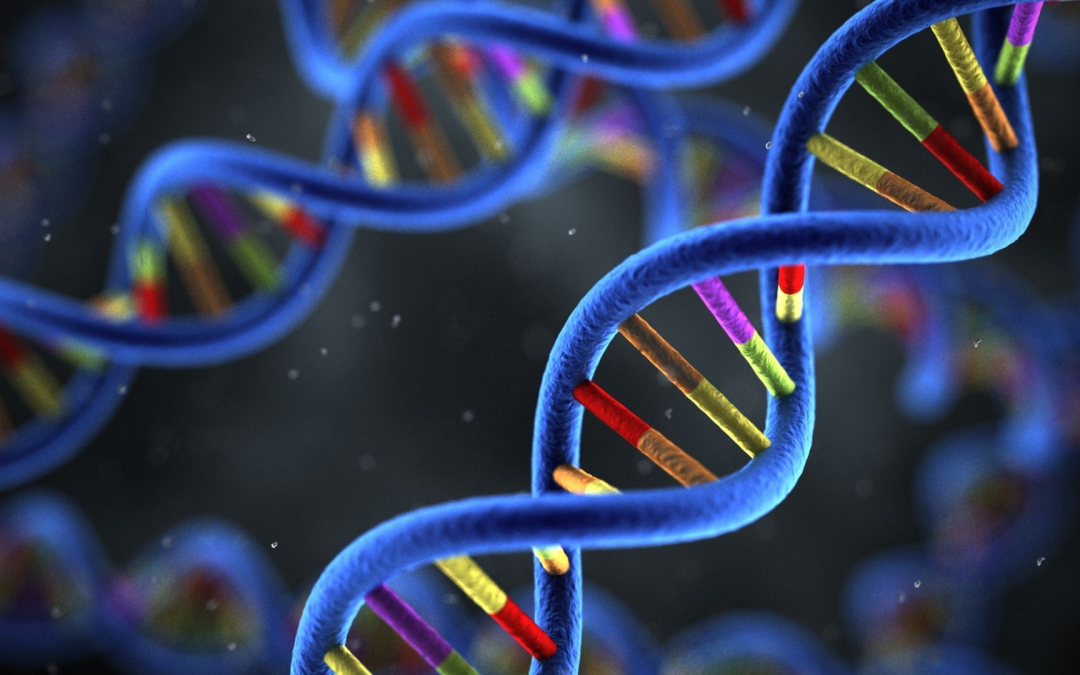
Environmental DNA is rewriting our planet’s biography. A single liter of river water now yields up to 200,000 genetic clues—according to a 2023 study by the University of Copenhagen—revealing everything from elusive jaguars to invasive carp. The cost of high-throughput sequencing has dropped 37 % in the past year alone, turning what was once a niche laboratory trick into a global conservation workhorse. Put simply: eDNA is no longer the future; it’s the user manual we’ve been missing. Ready to dive in?
Environmental DNA: nature’s invisible signature
First, the basics. Every organism sheds microscopic fragments of genetic material—skin cells, scales, pollen, even feces. These particles drift through water, soil, and air, forming a vast molecular breadcrumb trail. By extracting and sequencing this genetic dust, researchers can map entire ecosystems without netting a single fish or felling a single tree.
• In 2022, the U.S. Geological Survey processed over 4,500 eDNA samples, doubling its monitoring efficiency on the Mississippi River.
• The Great Barrier Reef Legacy used eDNA to detect 375 coral species in just five dives—an inventory that previously required months underwater.
Here’s the kicker: because environmental DNA monitoring captures both rare and common species, it slashes the risk of overlooking keystone organisms. That’s priceless intelligence for policymakers juggling biodiversity targets under the U.N.’s Kunming-Montreal Agreement.
How is environmental DNA collected and analyzed?
Short answer: with surprisingly simple gear and staggeringly complex math.
- Field teams pump water (or scoop soil, filter air) through a fine membrane.
- Filters are immersed in a preservative buffer—think scientific brine—to keep nucleic acids intact.
- Back in the lab, technicians amplify genetic fragments using PCR or metabarcoding primers.
- Sequencers—often Illumina’s NovaSeq or Oxford Nanopore’s portable MinION—spit out millions of reads.
- Bioinformaticians match those reads against reference databases such as GenBank or the Barcode of Life Data System.
In 2024, Illumina reported that average run times for eDNA metabarcoding fell below eight hours, down from 26 in 2020. Faster turnover means near-real-time dashboards for rangers tracking poachers in Kruger National Park or fisheries managers in Hokkaido.
What can eDNA reveal that traditional surveys miss?
Why bother with test tubes when binoculars exist? Because glass optics can’t spot a ghost. Environmental DNA surveys routinely uncover “dark taxa”—species that evade cameras, traps, or human eyes.
On one hand, a 2023 NASA-funded Arctic expedition used eDNA to detect 15 microbial phyla never before cataloged north of 70° N. That opens new chapters in climate resilience research.
On the other, the same technique flagged antibiotic-resistant genes in Alaskan meltwater, raising alarms about polar biothreats. So, eDNA is a double-edged scalpel: it isolates hidden marvels but also exposes uncomfortable truths.
Bucket brigade!
But wait—there’s more. Because eDNA archives can be stored long-term, they serve as time capsules. Comparative analysis of sediment cores from Lake Geneva revealed post-industrial declines in freshwater mussels with decade-scale precision. That kind of retrospective clarity is impossible with conventional headcounts.
Are there ethical risks in the age of molecular surveillance?
Absolutely, and they’re not science-fiction. Genetic privacy doesn’t apply only to humans; indigenous communities argue that animal DNA on ancestral lands forms part of their cultural heritage. The Nagoya Protocol already regulates bioprospecting, but rapid field sequencing tests legal gray zones.
• On one hand, open data accelerates conservation.
• On the other, unrestricted sequence uploads could enable biohackers to recreate endangered toxins.
A consortium led by the Wellcome Sanger Institute is drafting a “Do No Harm” framework, expected late 2024. Until then, ethicists urge caution: anonymize location metadata, consult local guardians, and limit public release of sensitive taxa.
From rainforest drones to city gutters: real-world success stories
Sydney’s Taronga Zoo partnered with the CSIRO to fly drones that skim canopy mist for koala eDNA. Early 2024 trials predicted breeding hotspots with 92 % accuracy—no climbing required. Meanwhile, Paris sewers became an unlikely lab when the Institut Pasteur used eDNA to track rodent-borne pathogens before the 2024 Olympics. The result? A preemptive vaccination campaign that may have averted an outbreak.
Why is environmental DNA pivotal for climate-smart policy?
Because numbers talk. The Intergovernmental Science-Policy Platform on Biodiversity (IPBES) estimates that up to 1 million species face extinction within decades. Policymakers need fast, scalable diagnostics. Environmental genomics delivers three key advantages:
• Speed: A single ranger with a pump filters 40 L of water an hour.
• Sensitivity: Detection limits reach one mitochondrial copy per milliliter.
• Cost: Global average per-sample price fell to $109 in 2023, down from $600 in 2016.
That efficiency helps governments allocate restoration funds where they matter most, supporting Sustainable Development Goal 15 (Life on Land).
So, where is the technology headed next?
Edge computing meets synthetic biology. Researchers at MIT are beta-testing CRISPR-based “molecular recorders” that could store timestamped eDNA signatures directly on-site—no freezer transport. And keep an eye on AI-assisted taxonomic assignment: Google DeepMind’s AlphaFold spin-offs now model unknown proteins from raw field data, forecasting ecosystem functions in days instead of months.
Yet, caution persists. Scaling up reference libraries requires global cooperation; 60 % of tropical species still lack barcode representation. Funding continues to lag in biodiversity-rich, cash-poor regions like Madagascar.
A personal note for the curious reader
Spending weeks on riverbanks with nothing but a camping stove and a sequencer the size of a stapler has changed how I see life’s tapestry. Every splash carries a census; every breeze, a library. If this glimpse into environmental DNA research leaves you wanting more—perhaps you’re already picturing your local pond as a vault of secrets—stay tuned. The genetic whispers surrounding us have only begun their story, and our next articles will keep decoding the chorus.